
Wine Cellar Cooling
A cellar that holds 13 degrees
through a Wollongong January.
We install and service wine cellar cooling systems for homes across the Illawarra and Sydney. A cellar is a small cool room. Cool rooms are a big part of what our refrigeration tradesmen build.
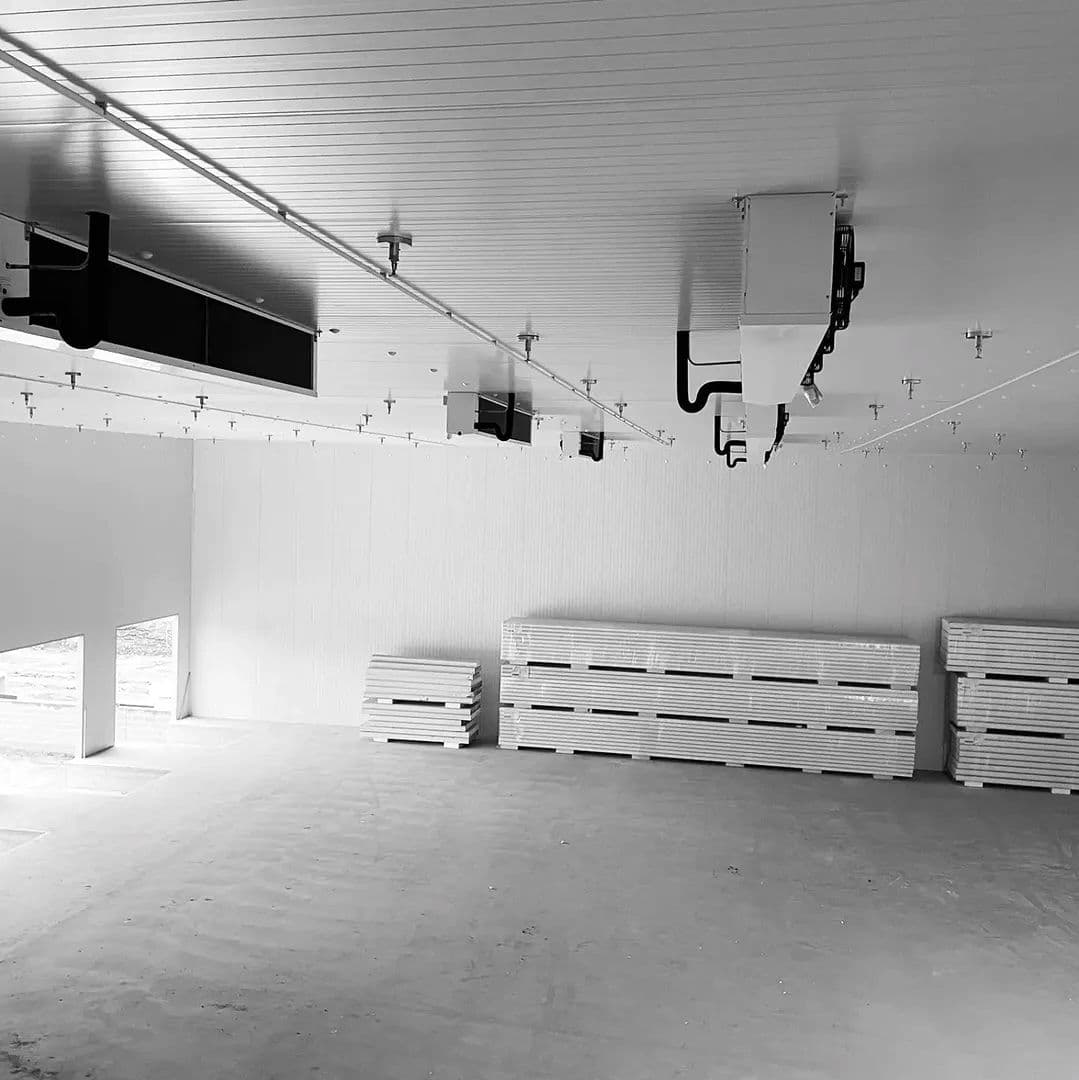
Wine cellar
12 to 14°C
Humidity 50 to 70%
What a wine cellar cooling system does
A wine cellar cooling system holds the room at a steady cellar temperature, around 12 to 14°C, while keeping enough moisture in the air that corks do not dry out. It runs quietly and for long hours, which is a very different job from cooling a living room on a hot afternoon.
That is why a standard split system is the wrong tool. It is built to cool to the high teens and pull moisture out as it goes, so it leaves a cellar too warm and too dry. Cellar units are small refrigeration systems, closer to a commercial cool room than to household air conditioning. That is the work Standby comes from.
The three types of cellar cooling
Which one suits your cellar depends on where the heat can go and how much noise you will accept in the room.
Through-wall
One self-contained unit set into a wall, blowing cold air into the cellar and warm air out the back. The simplest install, suited to smaller cellars with a ventilated space behind them. You will hear it running inside the cellar.
Split
A quiet evaporator inside the cellar and a condensing unit outside, joined by refrigerant pipe, the same layout as a household split system. The noise and heat stay outside, which suits display cellars and rooms you spend time in.
Ducted
The unit sits in a plant room, ceiling or under-floor space and ducts cold air into the cellar through discreet grilles, the way ducted air conditioning does for a house. Nothing shows inside the cellar but the grilles.
Sizing starts with the room, not the unit
The cooling a cellar needs depends on its size, the insulation in the walls and ceiling, any glass wall or door, how warm the space around it gets in summer and how often the door opens. A glass-fronted display cellar next to a sunny living room needs far more than a sealed room under the stairs.
The room itself matters as much as the unit. Walls need proper insulation and a vapour barrier on the warm side. The door needs to seal like a cool room door. If you are building or renovating, talk to us before the walls go up. It is much cheaper to get the construction right than to buy a bigger unit to fight a poorly sealed room.
How a cellar job runs
Site visit
We measure the cellar, check the construction and look at where the unit and any outdoor equipment can go.
System and fixed quote
We recommend the type and size that suit the room and give you a fixed price for supply and install.
Install and commission
Our Certificate 3 qualified refrigeration tradesmen install the system, run it down to temperature and check it holds.
Look after it
A cellar unit runs for long hours, so it needs regular servicing. We keep it on a schedule like any other system we install.
Why a cellar struggles in summer
Most cellar units fail or fall behind in the hottest weeks, when the heat around the cellar peaks and the unit runs almost without stopping. Dirty coils, a blocked drain or a tired fan all show up then. Servicing before summer catches them while the wine is still safe.
If you also want the rest of the house cooled properly, see our air conditioning service page for the household systems.
Qualified, licensed and insured
Refrigeration tradesmen
Certificate 3 qualified, with years of cool room and hospitality refrigeration work behind them.
ARC member + refrigerant licence
Licensed to buy and handle refrigerant gas under Australian Refrigeration Council rules.
Service after install
The team that fits your cellar unit keeps servicing it.
$20M public liability insurance
Full cover on every job, residential or commercial.
Wine cellar cooling questions
What temperature should a wine cellar be?
Around 12 to 14°C, held steady, with humidity somewhere between 50 and 70%. Steadiness matters more than the exact figure: a cellar that swings a few degrees every day ages wine faster than one that sits a degree warmer all year.
Can I use a normal split system to cool a wine cellar?
Not well. A household air conditioner is built to cool rooms to around 18 degrees or higher and to dry the air as it goes. A cellar needs lower temperatures and moisture kept in, so it needs a unit made for the job.
How much does wine cellar cooling cost?
The price depends on the size of the cellar, how well it is insulated, how much glass it has, how warm the space around it gets and which type of system suits the layout. We look at the room first and give you a fixed quote for the system and the install.
Do I need a cooling system if my cellar is underground?
Often not, if it stays cool and steady all year on its own. Put a thermometer in for a summer. If it climbs past the high teens or moves a lot between day and night, it needs cooling.
Do you service existing wine cellar units?
Yes. A cellar unit is a small refrigeration system and needs the same checks as any other: clean coils, a clear drain, correct gas charge and a fan that is not wearing out.
Related pages
Keep the wine at cellar temperature all year
Refrigeration tradesmen, a fixed quote after a site visit and servicing from the same team.