
Restaurant & Commercial Kitchen Refrigeration
Kitchen fridges that hold 5°C
from the first docket to the last.
Standby installs, repairs and maintains restaurant refrigeration for kitchens, cafés and small bars across Wollongong, the Illawarra and Sydney: under-bench and upright fridges, cool rooms and freezers.
Chilled food
5°C
Or colder, under the food safety standard
Built for a kitchen, not a showroom
A commercial kitchen is about the hardest place you can put a fridge. The air beside the cookline runs hot, the doors open every few seconds through service and the condenser breathes in grease and flour all day. Most kitchen refrigeration faults come back to those three things.
Standby looks after commercial kitchen refrigeration from the under-bench fridges on the line to the cool room out the back. Adam Magick’s thirteen-odd years at Shannon Refrigeration, before he started Standby, took in commercial kitchens, fast food outlets and butcher shops, so the kitchen is familiar ground.
What we install, repair and maintain
Under-bench and upright fridges
The kitchen fridges on and behind the line, which take the most heat and the most door openings of anything in the building.
The restaurant cool room
Walk-in cool rooms that hold a full delivery and still pull back to temperature after a busy service.
Freezers
Upright freezers and walk-in freezer rooms cold enough that stock stays frozen solid between deliveries.
Display fridges
Front-of-house display fridges in cafés and delis, where warm air from the room and an open front make temperature harder to hold.
Bar fridges
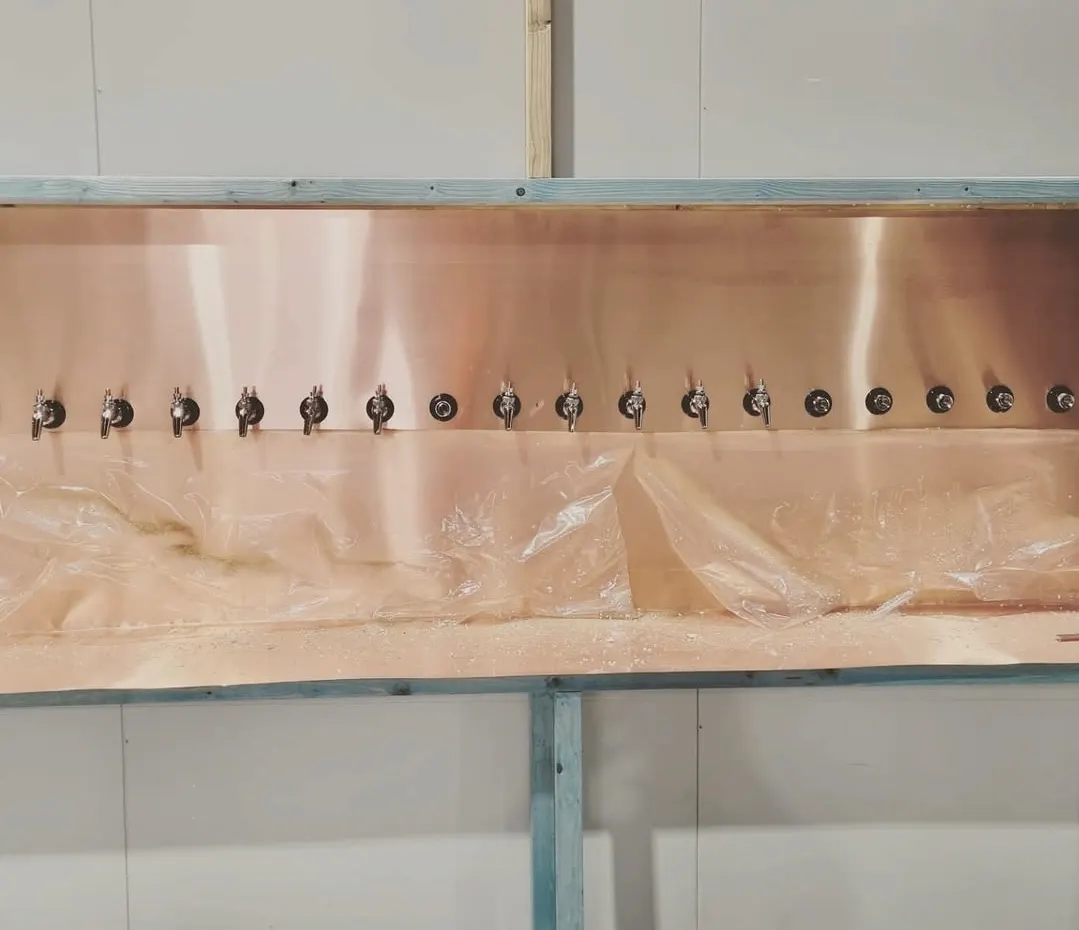
Back-bar fridges for restaurants and small bars. Cellars and glycol beer systems are covered on our pubs and clubs page.
Kitchen and dining room air conditioning
A cooler kitchen helps the fridges too. Our commercial air conditioning team installs and services the systems.
 Bar fit-out
The 5°C rule and your temperature records
Under the national food safety standard that applies in every NSW kitchen, potentially hazardous food has to be stored at 5°C or colder and frozen food has to stay frozen. The business also needs a thermometer that measures food temperature to within 1°C. Food between 5°C and 60°C sits in what the NSW Food Authority calls the temperature danger zone. Its published 2-hour/4-hour rule decides whether that food gets used, chilled or thrown out.
Since 8 December 2023, most NSW restaurants and cafés that cook on site have had to keep records showing food was stored at a safe temperature and hold them for three months. A fridge that creeps above 5°C mid-service turns into a record showing food stored too warm. The standard then expects the business to act on it by throwing out stock and fixing the equipment. A fridge that holds 5°C all service keeps those records boring, which is how you want them.
Temperature control failures also appear on the NSW Food Authority’s public penalty notice register. For the reading a walk-in should hold and the early signs it is struggling, see our cool room temperature guide.
Three things that wear out a kitchen fridge
Heat comes first. Commercial storage fridges are tested in a 30°C room. The air beside a fryer or a chargrill on a summer night runs well above that. A fridge in the wrong spot runs flat out, cycles constantly and wears its compressor early. It is worth checking the climate class on the fridge’s data plate before blaming the fridge itself.
Next comes the condenser. Grease, flour and dust coat the coil that sheds the fridge’s heat, the compressor runs longer to make up for it and eventually it trips or fails. In a busy kitchen the coil needs cleaning far more often than the manual suggests. Door seals are the third. A split or flattened seal lets warm, damp air in every time the fridge closes, which frosts the coil and leaves the top shelf warmer than the bottom.
The signs are much the same whatever the cause: a fridge running but not cooling, frost building up inside, food near the door warmer than food at the back or a compressor that starts and stops every few minutes. We handle commercial fridge repairs for all of these, including on units another contractor installed.
Older R404A equipment and the phase-down
A lot of older kitchen refrigeration still runs on R404A. Nothing forces you to pull it out, because existing units can be serviced for as long as they last. The catch is supply. Australia is cutting imports of HFC refrigerants to 15% of the original baseline by 2036 and the government has consulted on restricting R404A further. So when an older unit fails in a big way, we price the repair and a replacement on a lower-impact refrigerant side by side and you choose. Standby is an ARC member with a refrigerant purchasing licence, which any work on the gas requires.
Maintenance and after-hours breakdowns
A maintenance visit catches the greasy coil and the tired seal before they turn into a warm fridge in the middle of service. Any system we install comes with two maintenance visits in its first year. After that each visit has a set rate and parts are quoted on top. Between visits, after-hours breakdowns go to our maintenance technician. How the two fit together is on our maintenance and breakdown page.
We work with kitchens across Wollongong and the Illawarra and across Sydney. For the plant side of a city site, see commercial refrigeration in Sydney and commercial refrigeration in Wollongong.
Qualified, licensed and insured
- Certificate 3 trade qualified tradesmen
- ARC member with a refrigerant purchasing licence
- SWMS and a toolbox talk on every job
- $20M public liability insurance
Restaurant and kitchen refrigeration questions
What temperature does a commercial kitchen fridge need to hold?
5°C or colder for potentially hazardous food. Freezers need to keep food frozen. The national food safety standard also requires a thermometer that reads food temperature accurately to within 1°C. If the fridge display looks fine but your probe reads higher, the display is the thing to stop trusting.
Why does our under-bench fridge warm up during service?
Usually heat and airflow. Most storage fridges are rated for a 30°C room. The air beside a busy cookline in summer runs hotter than that. Add a condenser coated in grease or flour and tired door seals and the fridge cannot keep up. We check all three and tell you whether it needs a repair or is simply the wrong fridge for that spot.
Our fridges still run on R404A. Do we have to replace them?
No. You can keep servicing R404A equipment for as long as it lasts. Australia is cutting HFC refrigerant imports to 15% of the original baseline by 2036, so when one of those units breaks down badly we will price both options for you: fix it or replace it.
Will someone come out if the kitchen fridges or cool room fail after hours?
Yes. After-hours breakdowns go to our maintenance technician, whether the fridge dies after close or halfway through dinner service.
How much does restaurant refrigeration maintenance cost?
Four things set it: how many fridges and cool rooms the kitchen runs, how old they are, the refrigerant inside them and how often each one needs a check. We walk through the kitchen first, then quote a fixed price per visit.
Related pages
Fridges that keep up with service
Kitchen fridges, cool rooms and freezers, installed and looked after by the same team.